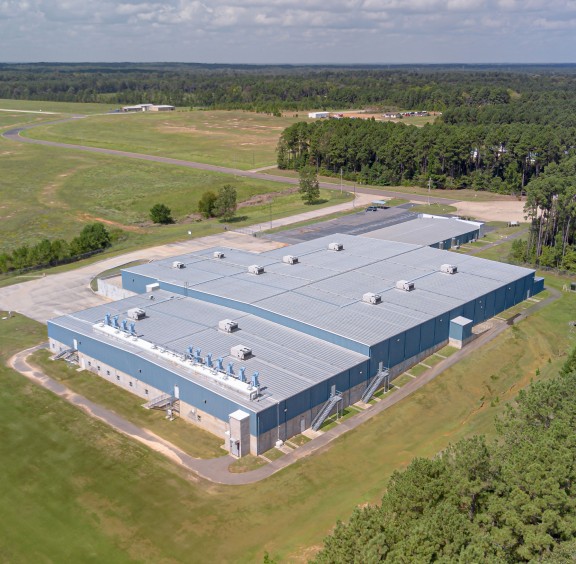
Infrastructure Built for International Growth
Texas First brings together multiple East Texas communities with the infrastructure needed to support manufacturing, distribution and other capital-intensive operations. Companies gain access to interstate highways, Class I rail, regional airports, industrial utilities, broadband and sites positioned for continued development. Just as important, international investors can evaluate these resources through one regional point of contact rather than navigating each community and provider independently.
Interstates 20 and 30 connect the Texas First region with the Dallas–Fort Worth market, Arkansas, Louisiana and major east-west trade corridors across the United States. U.S. Highways 59, 69, 80 and 259 add strong north-south and regional connectivity, helping companies reach customers, suppliers, airports, ports and population centers throughout Texas and neighboring states.
Class I rail service strengthens the region’s position for companies moving bulk materials, industrial components and finished products. Union Pacific, BNSF, and CPKC maintain a significant presence across East Texas. These communities developed around major rail corridors and remain connected to these rail providers' broader North American freight network.
Rail availability varies by property, but Texas First can help companies identify sites with direct service, nearby access or the potential for a rail spur. This is especially valuable for advanced manufacturing, plastics and chemicals, building materials, agribusiness and other industries with substantial inbound or outbound freight requirements.
Regional airports provide convenient access for executives, customers, technical teams and time-sensitive cargo. East Texas Regional Airport, Tyler Pounds Regional Airport, Texarkana Regional Airport and other general aviation facilities extend air access across the Texas First region.
International companies can also connect to major global gateways in both the Dallas–Fort Worth and Houston markets. Dallas Fort Worth International Airport and Houston’s George Bush Intercontinental Airport provide extensive domestic and international service, including connections to Europe, Asia, and other global markets. Dallas Love Field, Alliance Airport and Houston’s additional passenger and cargo facilities further expand travel, logistics and freight options. This access to multiple international gateways strengthens the region’s appeal for companies with global customers, suppliers and corporate teams.
Texas First companies can connect by highway and rail to major Gulf Coast ports, including the Port of Houston. These routes support the import of raw materials, machinery and components and the export of products manufactured in East Texas.
Depending on a company’s site and supply chain, Foreign-Trade Zone opportunities may also be available. Eligible companies may be able to defer, reduce or eliminate certain customs duties while goods remain within an activated zone. Texas First can help an investor evaluate available programs and connect with the appropriate zone administrators, customs specialists and local partners.
The Texas First region is served by established electric providers experienced in supporting industrial and commercial operations. Companies can access competitive electric service, scalable capacity and infrastructure options designed to accommodate both immediate operating needs and future growth.
Texas First can coordinate early conversations with utility representatives to evaluate projected demand, service configurations, infrastructure requirements and development timelines for each site. For qualifying projects, utility incentives, economic development rates or other forms of assistance may also be available based on factors such as location, electric load, capital investment and job creation.
Texas First communities offer municipal water and wastewater systems capable of supporting a range of industrial operations. The region includes locations with excess water and wastewater capacity, creating opportunities for food processing, advanced manufacturing, plastics, chemicals and other users with significant process requirements.
Because capacity, treatment capabilities, pressure, line sizes and discharge requirements differ by site, Texas First can coordinate early discussions with the appropriate city and utility representatives. This allows an international company to evaluate its projected demand and any required infrastructure improvements before making major design or property commitments.
Natural gas service is available across the region through major providers, supporting companies that require process heat, boilers, drying, food production or other industrial applications. Availability and capacity must be confirmed for each property.
Texas First can bring the relevant provider into the location process early to review load requirements, pressure, line proximity, extension needs and project timing. Eligible investments may also be considered for infrastructure participation or other locally approved assistance.
Business-class broadband and fiber infrastructure support automated manufacturing, cloud-based systems, inventory management, engineering collaboration and communications with international headquarters. Multiple telecommunications providers operate across East Texas, giving many sites access to fiber, high-speed broadband and redundant service options.
Provider, connection type, speed and redundancy should be verified at the property level. Texas First can help companies identify available providers and coordinate technical discussions around cybersecurity, operational continuity and other project-specific connectivity requirements.
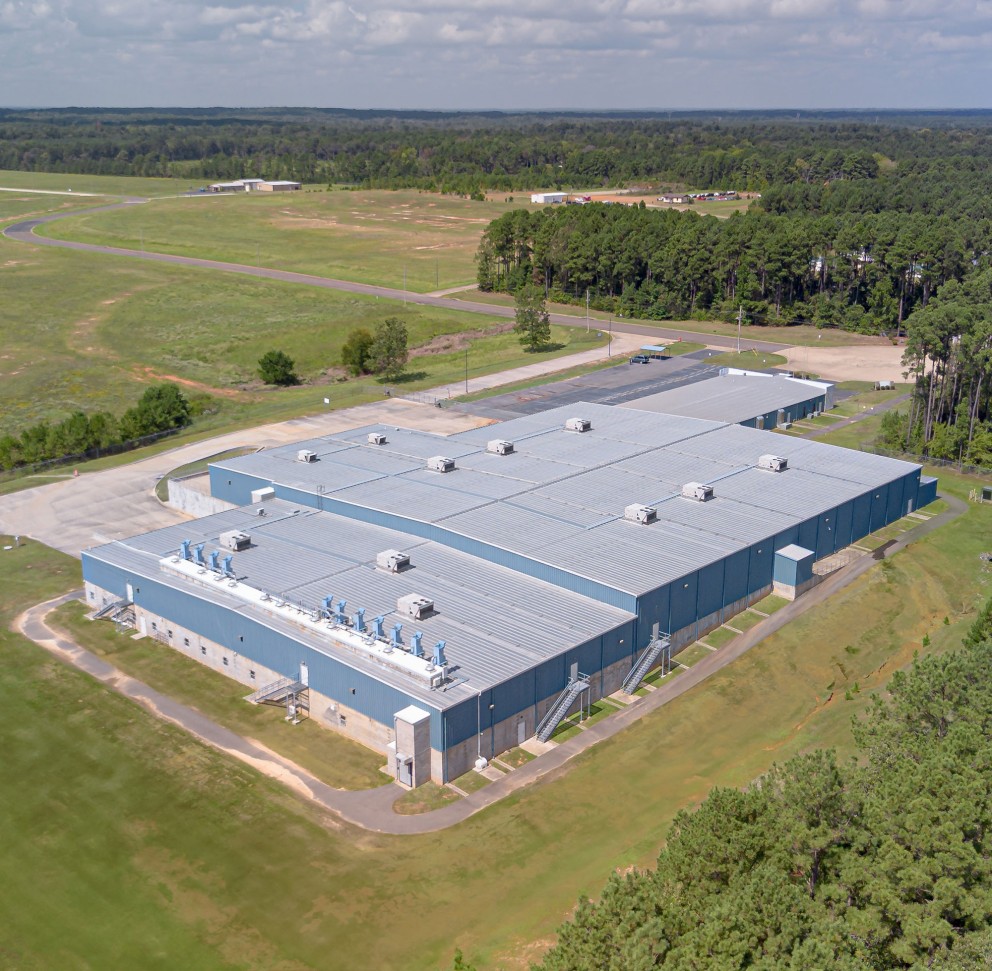
The region offers a diverse inventory of existing buildings, industrial parks and greenfield sites. Featured opportunities are selected for their infrastructure, transportation access, development potential and fit with international manufacturing and distribution projects.
Additional properties may be available, under development or better suited to a company’s specific requirements. Texas First can conduct a customized regional property search based on acreage, building size, rail needs, utility demand, workforce access, security requirements and project timeline.